
1. Introduction – Why Smart Home Cost Matters Now
The global smart home industry is entering a pivotal stage where technology adoption, cost efficiency, and market demand intersect. For real estate developers, system integrators, and electrical distributors, understanding smart home cost is no longer optional — it’s a competitive necessity.
Modern buyers and tenants increasingly expect properties to include integrated automation covering lighting, HVAC, and security. With falling home automation price levels and growing awareness of energy savings, mid-tier residential projects are positioning automation as a key value proposition. Programs such as the smart thermostat rebate in North America further encourage upgrades like wifi thermostat for heat pump systems, smart strip surge protectors, and intelligent climate control.
The next decade will see future trends in smart devices and advanced home automation software that integrates with smartthings redefine property standards, directly influencing investment returns across markets.
2. Global & Regional Market Overview
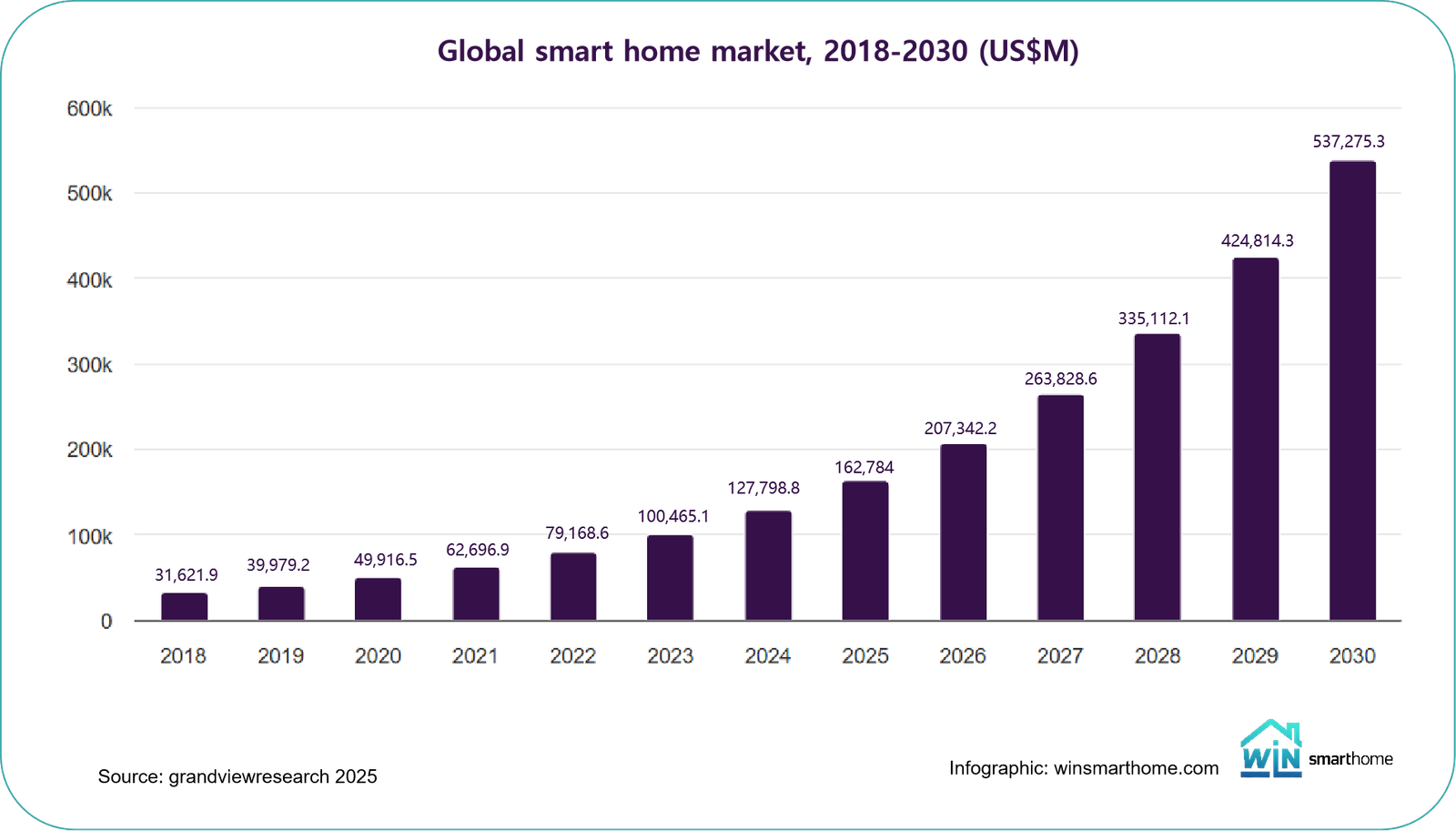
The global smart home market size was estimated at USD 127,798.8 million in 2024 and is projected to reach USD 537,275.3 million by 2030, growing at a CAGR of 27% from 2025 to 2030. (grandviewresearch, 2025).driven by technological innovation, falling home automation price ranges, and rising consumer expectations. For stakeholders, understanding smart home cost benchmarks across regions helps shape effective investment and deployment strategies.
Regional highlights:
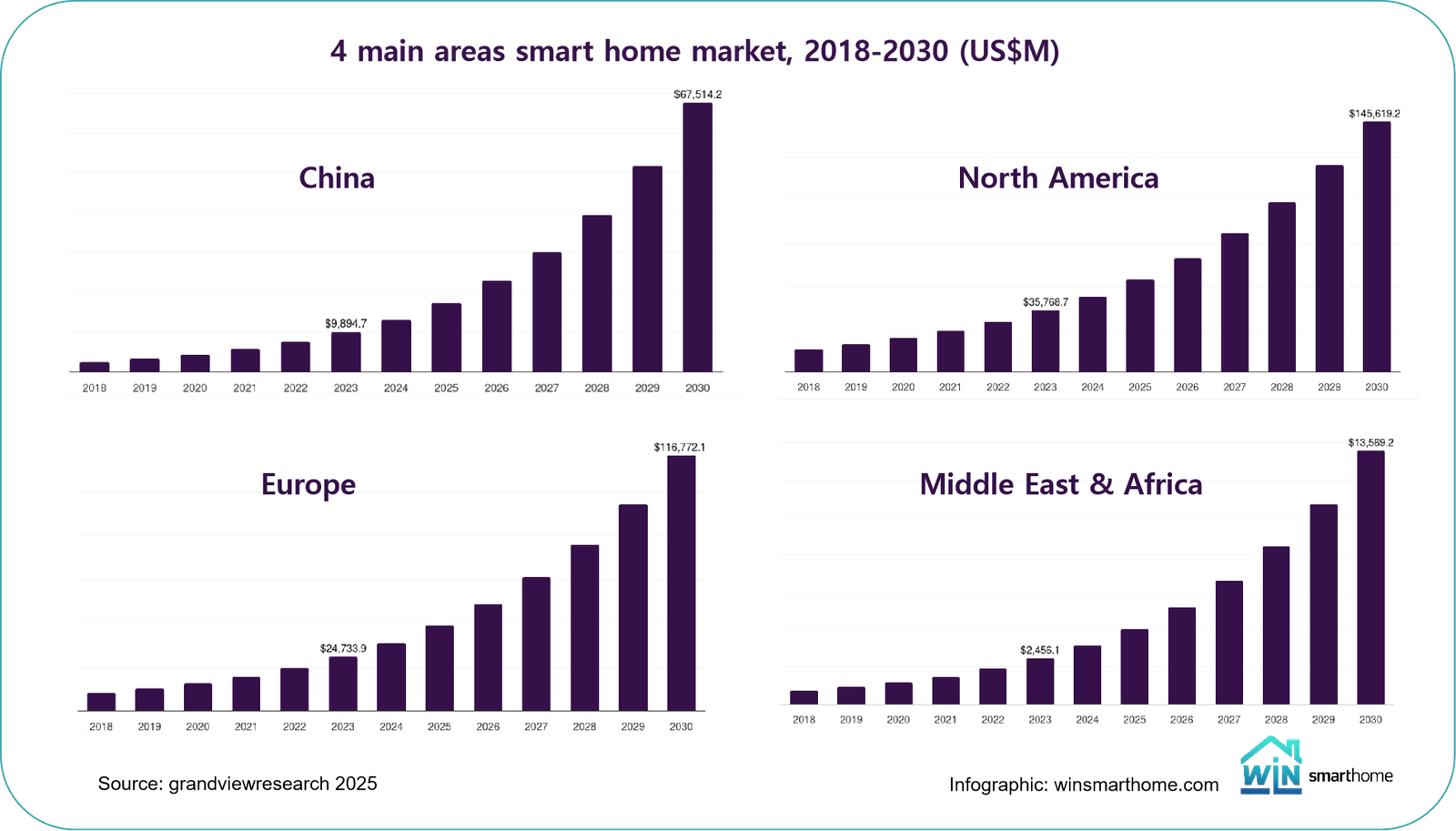
- China – Government promotion of smart communities under urban modernization policies is driving adoption across new residential developments.
- Middle East – Luxury property developers integrate full automation to appeal to international buyers, especially in Dubai and Doha.
- North America & Europe – Energy efficiency regulations and subsidies push adoption of automation systems that optimize lighting, HVAC, and security. Government incentives, like the smart thermostat rebate available in North America, are encouraging mid-tier residential projects to integrate energy-saving automation systems.
3. Key Factors Influencing Smart Home Cost
The smart home cost for any project is shaped by a combination of technical, design, and market forces. For property developers and system integrators, understanding these factors ensures realistic budgets and optimized ROI.
1. Project Size & Scope – Larger residences naturally require more devices, wiring, and centralized control points. Higher device density drives up home automation price but can also improve performance and energy efficiency.
2. Technology & Integration Level – Platform choice, from open-protocol systems to proprietary hubs, impacts not only the upfront investment but also how much does a smart home cost over its lifecycle. Integration with tools like home automation software that integrates with smartthings or niche solutions such as wifi thermostat for heat pump can change device selection and labor needs.
3. Device Categories & Quality – Choices such as a smart thermostat rebate eligible controller, best dimmer switch for LED lights, or wireless motion sensor camera add value but create variation in pricing. Electrical safety elements like a smart strip surge protector also contribute to initial spend.
4. Market Region & Regulatory Incentives – In smart house real estate projects, regional energy codes, local incentives, and future proofing for future trends in smart devices can influence overall budget priorities.
By aligning these factors with end user expectations, developers can accurately forecast costs and build systems that deliver tangible lifestyle and energy benefits.
4. Stakeholder-Specific Cost Drivers
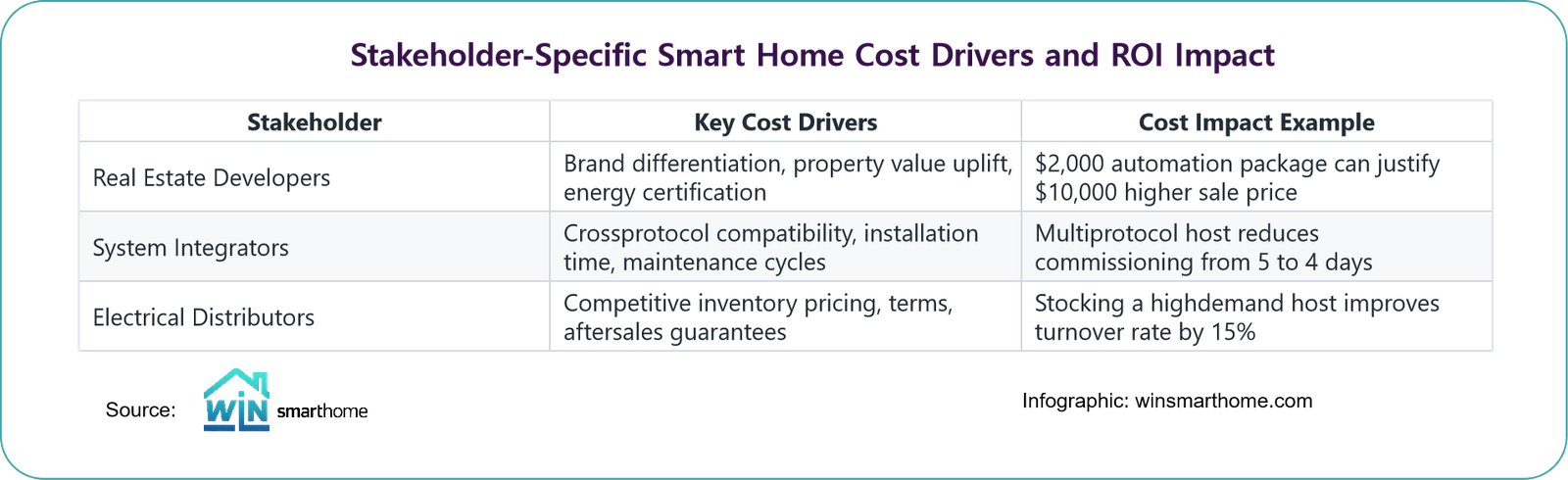
Smart home cost factors differ across stakeholders: developers assess ROI, integrators balance home automation price with efficiency, and distributors bundle devices like wireless motion sensor camera to boost value.
5. 2025 Smart Home Cost Benchmarks
When evaluating how much does a smart home cost in 2025, it’s essential to consider not just the smart home price but also the underlying control protocol, property size, and project goals. The choice of protocol impacts hardware selection, installation complexity, ecosystem stability, and long-term return on investment.
In high-value developments and premium residences, cost efficiency does not mean opting for the cheapest home automation price. Instead, the focus should be on total cost of ownership (TCO) — including reliability, service lifespan, integration flexibility, and after-sales support.
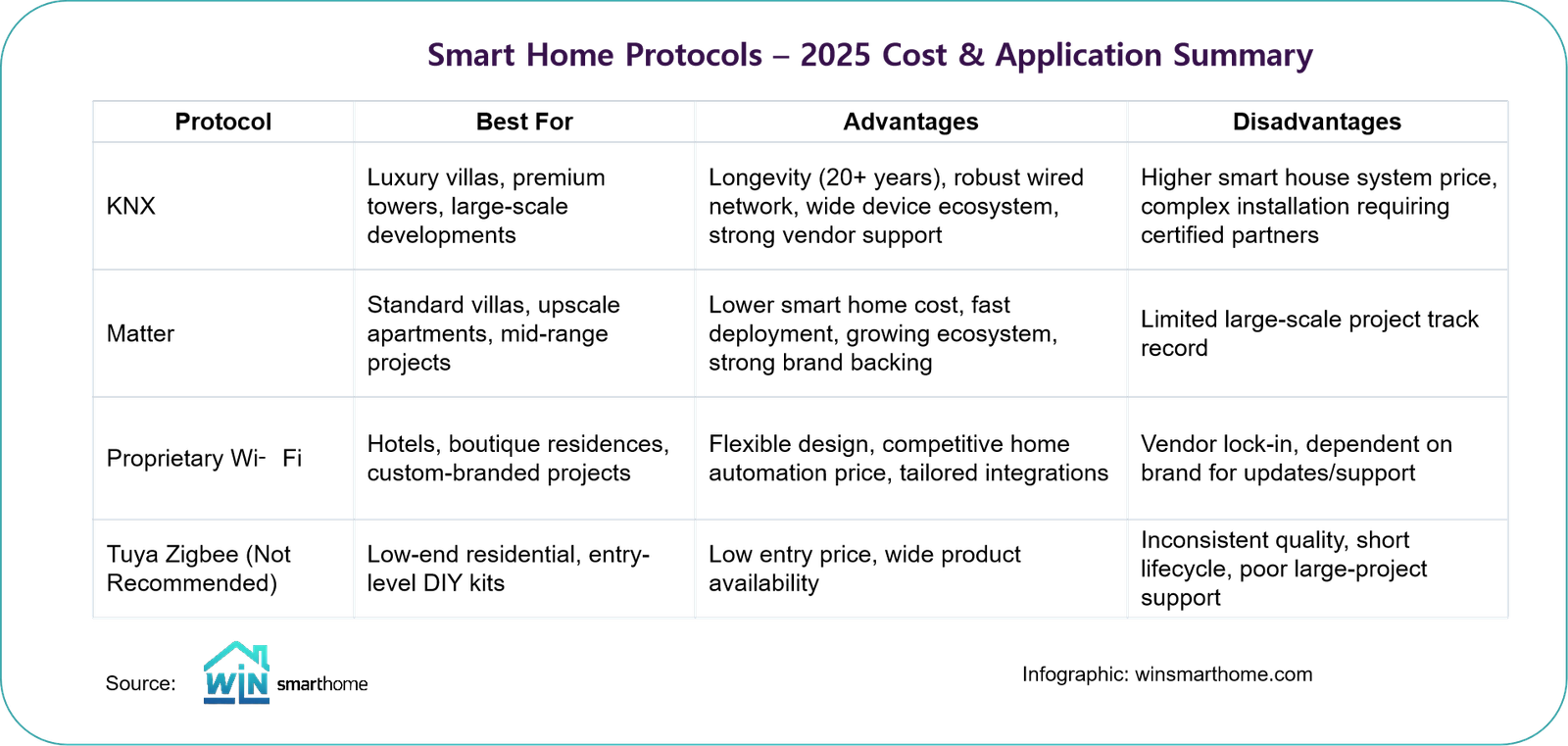
Protocol Overview & Market Position
- KNX – The global benchmark for high-reliability, large-scale smart house systems. KNX offers unmatched stability, flexibility in custom programming, and compatibility with hundreds of certified brands.
- Matter – An emerging open standard supported by major tech companies, designed to simplify device compatibility while lowering entry smart home cost.
- Proprietary Wi Fi – Custom ecosystems developed for exclusive brand or developer use, allowing control over design, automation logic, and hardware supply.
- Tuya Zigbee (Not Recommended) – While aggressively priced in the low-end smart house cost range, the market is highly fragmented, with inconsistent product quality and unstable after-sales support.
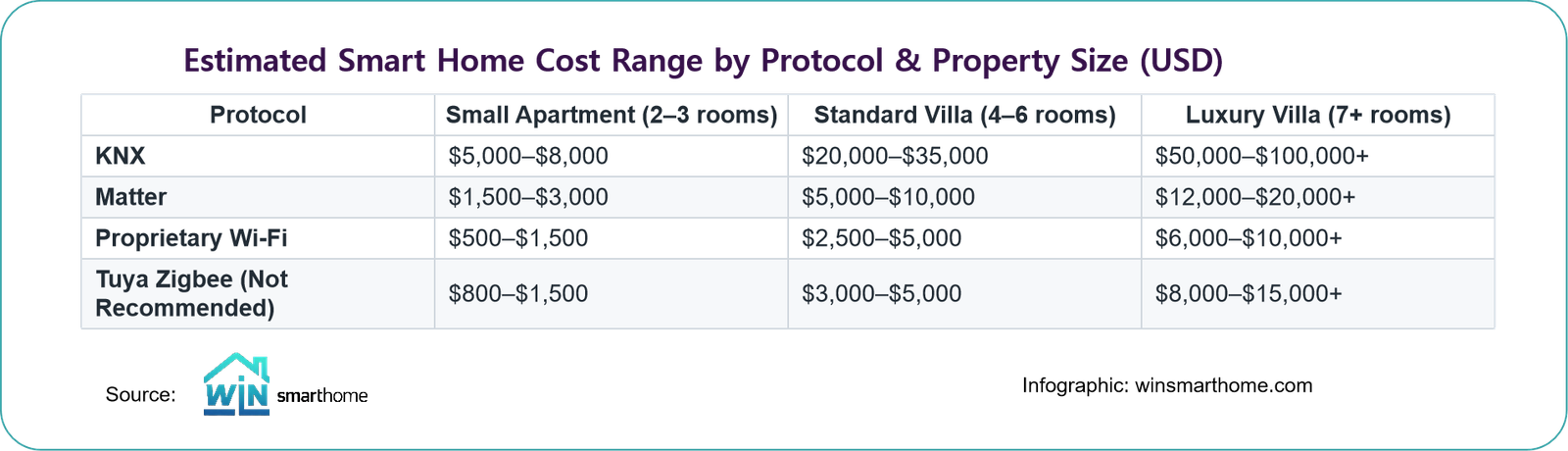
Key takeaways for stakeholders:
Electrical distributors gain better long-term margin stability with reputable, supported systems rather than volatile low-cost ecosystems like Tuya Zigbee.
Real estate developers should focus on protocols that enhance property value and deliver brand differentiation — KNX and Proprietary Wi Fi are proven in this role.
System integrators benefit from the customization and stability of KNX, while Matter offers a competitive option for mid-range markets.
6. Why 2025 Is a Cost Turning Point
- Policy acceleration – Smart community and energy efficiency mandates drive standardization.
- Technology maturity – Matter protocol adoption lowers compatibility risks.
- Consumer expectations – Automation is perceived as standard, even in mid tier properties.
Stakeholders who align design, pricing, and service strategies with these shifts will capture sustainable competitive advantage.
7. Smart Home Cost Breakdown (2025)
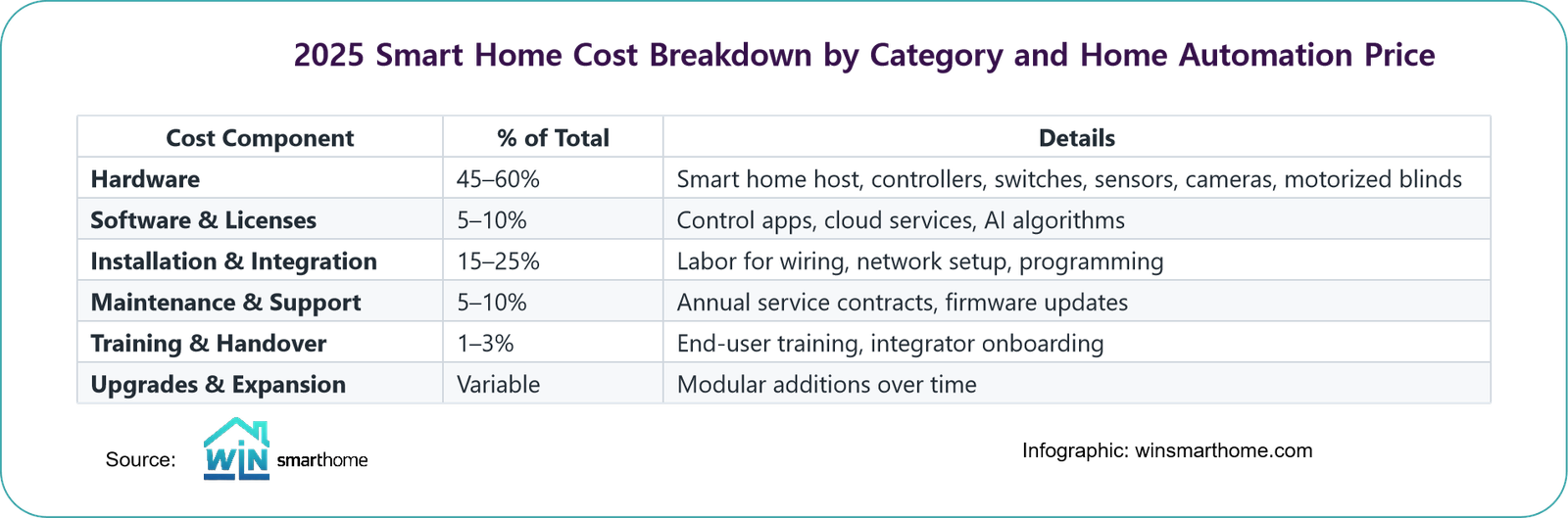
While many stakeholders begin by asking, “How much does a smart home cost?”, the more strategic question is: “What is the total cost of ownership (TCO), and how does it align with ROI and project objectives?”
In 2025, the smart home cost structure is shaped by hardware, installation, software integration, and long term maintenance. Based on home automation price benchmarks from recent case studies, a mid tier residential project typically sees 50–70% of costs in devices (e.g., security systems, smart lighting), 20–25% in labor, and the remainder in connectivity, software, and energy optimization.
For example, integrating home automation software that integrates with smartthings or installing a smart thermostat rebate program can significantly reduce operational expenses over time. Selecting value driven devices—such as a smart strip surge protector, wifi thermostat for heat pump, or best dimmer switch for led lights—not only lowers initial spend but enhances property appeal in the smart house real estate sector.
Future proofing through future trends in smart devices and deploying wireless motion sensor camera solutions can also increase ROI by boosting security, efficiency, and buyer interest.
8. ROI Analysis per Stakeholder
8.1 Real Estate Developers
Key takeaways for stakeholders:
- Investment: $2,000–$5,000 per unit in automation package
- Added sales value: $10,000–$15,000 on mid-range units; $50,000+ on luxury units
- ROI Timeline: Immediate — recovered on first sale
- Hidden Benefits: Faster sales cycle, stronger brand positioning, media coverage

8.2 System Integrators
- Investment: Mainly in skilled labor, tools, and certified training ($10k–$20k initial)
- Revenue Model: Installation fees + annual maintenance contracts ($500–$1,500 per project)
- ROI Timeline: 1–2 projects to recover initial investment
- Hidden Benefits: Long-term client retention, upsell opportunities for expansion
8.3 Electrical Distributors
- Investment: Inventory + showroom/demo units
- Gross Margin: Typically 20–35% on smart home hosts and peripherals
- ROI Timeline: 3–6 months based on turnover and marketing push
- Hidden Benefits: Cross-selling of complementary products (switchgear, cabling, lighting)
9. Case Studies
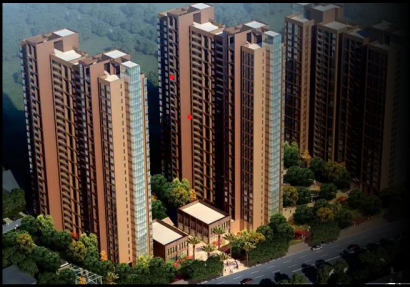
Case Study 1 – Real Estate in Shenzhen
Project scope:
- 200-unit mid-tier apartment complex
- Standard package: smart home host, lighting control, AC zoning, security integration
- Cost: $3,200 per unit
- Result: Increased sales price per unit by $12,000
- Annual Impact: Total additional revenue of $2.4 million; ROI within first sales batch
Key strategies:
- Selected Matter-compatible host to ensure future expansion
- Used marketing campaign highlighting smart home as standard, not upgrade
Case Study 2 – System Integrator in Dubai
Project scope:
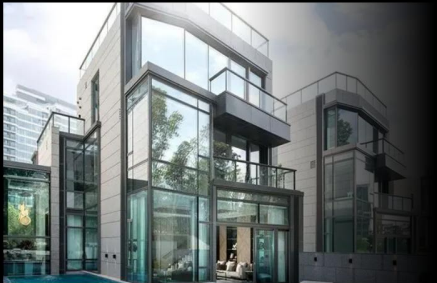
- Luxury penthouse automation
- Full KNX backbone + AI-based energy optimization + multi-protocol integration
- Project value: $75,000
- Integrator margin: 28%
- Result: Client reduced annual energy cost by 22%, enabling LEED Platinum certification
Key strategies:
- Modular host architecture to phase in automation features over 3 months
- AI tuning for HVAC and lighting adapted to Gulf climate patterns
Case Study 3 – Chain Hotels in China
Project scope:
- Installed proprietary Wi Fi smart home control in 1,200 guest rooms, including lighting, HVAC, and door access systems
- Total project cost: $750,000
- Total value: $1,050,000 (Gross margin 28%)
- Result: Achieved 15% reduction in hotel energy costs and improved guest experience scores
Key strategies:
- Provided hotel staff with centralized control dashboard and training sessions
- Scheduled phased installation to minimize room downtime and maintain occupancy rates

11. Best Practices for Managing Smart Home Cost
Effectively managing smart home cost while delivering high performance and strong user satisfaction requires alignment of design foresight, market insight, and technical expertise. The following practices are tailored for real estate developers, system integrators, and electrical distributors.
11.1 Design Phase Optimization (Developers & Integrators)
- Commit to a protocol early – Select KNX, Matter, or a compatible hybrid to prevent costly rewiring later.
- Plan automation zones – Group devices logically to minimize wiring runs and device counts.
- Budget for expandability – Choose hosts with modular slots to keep initial smart home price competitive.
11.2 Vendor & Component Strategy (Distributors & Integrators)
- Audit supplier reliability – Factor warranty terms, product lifecycle, firmware update history.
- Stock high turnover SKUs – Maintain adequate inventory to avoid project delays that increase integration costs.
- Bundle pricing – Offer packaged solutions (host + key devices) for transparent home automation price.
11.3 Installation & Commissioning Efficiency (Integrators)
- Pre-program off-site – Configure as much as possible before arriving on site to cut labor time.
- Train multi-skilled crews – Technicians who handle both networking and electrical reduce labor split costs.
11.4 Customer Experience & ROI Tracking (All Stakeholders)
- Conduct post-installation audits – Verify energy savings, functionality, and customer satisfaction.
- Document ROI metrics – Use clear before/after comparisons on energy bills, property value, or tenant satisfaction to justify how much does a smart home cost.
12. Frequently Asked Questions (FAQs)
Q1: How much does a smart home cost for a new apartment project?
For small-to-mid range apartments, smart home cost typically ranges from $2,000–$3,500 per unit, covering basic home automation and wiring for lighting, AC, and curtain control. Adding premium security, AI-based wireless motion sensor camera, and entertainment features can significantly increase the home automation price.
Q2: Is it better to use wireless or wired automation to reduce cost?
Q3: How long to recover the cost in a residential development?
In many smart house real estate projects, ROI can be realized immediately upon sale, often achieving 3–5× the initial system cost through increased property value and faster sales.
Q4: Do smart home systems require costly ongoing maintenance?
Annual maintenance averages 5–10% of the initial smart home price, including firmware updates, component replacements like best dimmer switch for LED lights, and system optimization.
Q5: How are prices expected to change over the next 3 years?
With adoption of standardized protocols and AI-driven future trends in smart devices, average component costs are expected to drop 10–15% by 2028, though premium features such as smart strip surge protector or wifi thermostat for heat pump may remain at stable price points due to added value.
13. Conclusion
In the smart home and intelligent building sector, smart home cost is not merely an expense — it’s a strategic investment.
- For developers: Integrating the right home automation and wiring early boosts property value, accelerates sales, and strengthens competitive positioning in the smart house real estate market.
- For system integrators: Strategic protocol selection and efficient design safeguard margins while maximizing customer satisfaction and long-term ROI.
- For distributors: Offering competitive smart home price, reliable products, and proactive after-sales service ensures repeat contracts and sustainable growth.
By leveraging standardized protocols, bundling automation with building systems, and continuously tracking ROI, all stakeholders can transform cost efficiency into enduring value creation.
In 2025, with AI-enhanced efficiency, cloud-edge integration, and maturing global standards, smart home cost transitions from a perceived barrier into a decisive competitive advantage.